
Atomic Structure
A one-atom-thick carbon lattice with a naturally ordered honeycomb geometry.
Graphene is a single layer of carbon atoms arranged in a hexagonal honeycomb lattice. For GMG, that structure matters only when it translates into practical industrial value: better heat transfer, smarter friction management, and stronger asset performance.
A one-atom-thick hexagonal lattice matters only when it changes system behavior: heat transfer, friction control, surface protection, and operating efficiency.

GMG only wins when material science becomes easier heat transfer, lower wear, and clearer efficiency value at equipment level.
A one-atom-thick carbon lattice with a naturally ordered honeycomb geometry.
GMG applies that platform in coatings, lubricants, and future product pathways.
Buyers care about lower energy use, longer asset life, and simpler deployment.
Lead with near-term commercial use cases, then support them with broader platform credibility.
A graphene-enhanced coating platform for HVAC-R and cooling assets where heat transfer, protection, and retrofit efficiency matter.
A graphene-enhanced lubricant for fleet, transport, and industrial equipment where friction and wear directly affect operating cost.
Review Product Range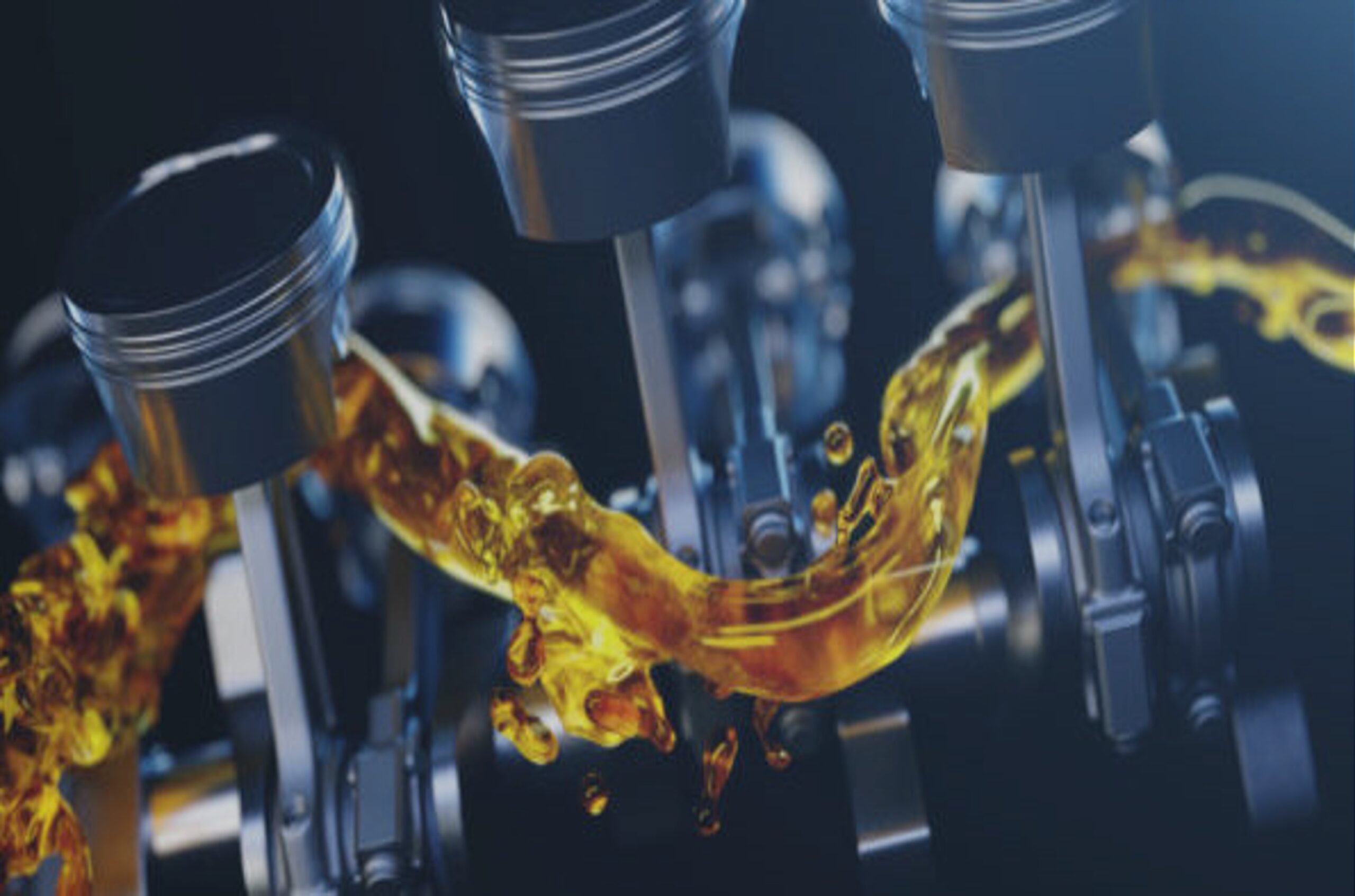

Future-facing energy storage work that reinforces GMG’s technical ambition.

A materials-platform signal supporting GMG’s longer-term applied graphene story.
Trust should come from visible proof: awards, product readiness, published routes, and a clear path into technical review.
The story is easier to trust when the signals are public: recognition for THERMAL-XR, global product materials, and direct contact through official company channels.
Public materials show cartons, pallets, reseller packs, and partner pathways.
GMG states the process is now a two-step PREP and ENHANCE sequence.
Official product, partner, and contact routes already give buyers a clear next step.
Define the system constraint, map the right application, then move into technical review.
Not “graphene interest”, but operating pressure: energy, uptime, wear, and emissions.
Heavy-duty sites where uptime, cooling efficiency, and maintenance cost drive margins.
Hard-Condition Asset PerformancePlants seeking lower energy intensity and longer equipment life without full replacement.
Efficiency Without Major CapexLong-life infrastructure balancing reliability, maintenance exposure, and emissions pressure.
Critical Infrastructure ProtectionFleet systems where operating cost, uptime, and decarbonization targets move together.
Fleet Efficiency And ContinuityMulti-site refrigeration and facilities estates under cost and sustainability pressure.
Estate-Wide Cost PressureThe best first conversation is specific: where cooling slips, where wear rises, and where replacement is not the preferred answer.